Occupational Hearing Screening: Framework for Effective Workplace Implementation
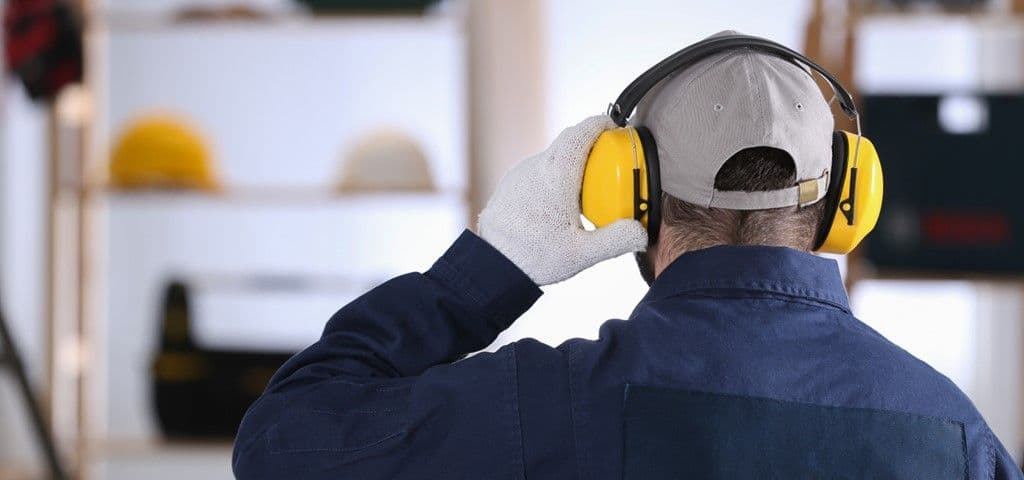
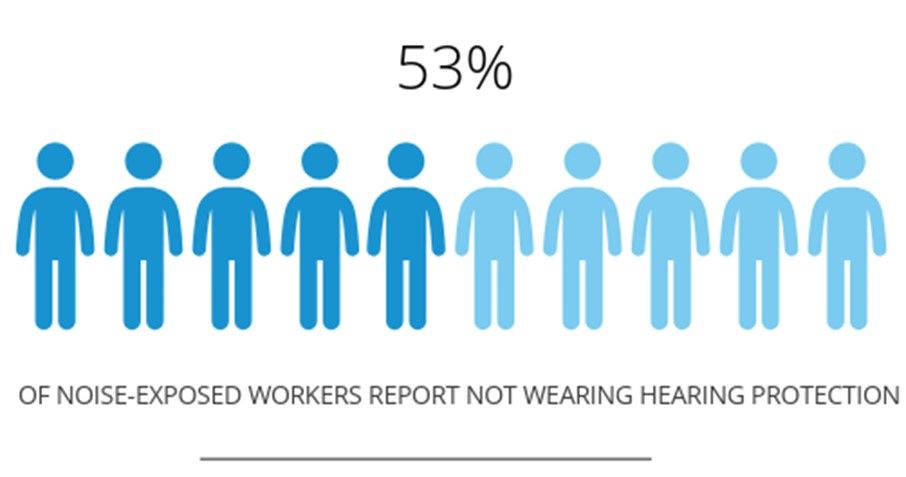
An estimated 22 million workers in the United States face exposure to hazardous noise at work each year. And out of those 22 million workers, it’s predicted that over half of those do not use hearing protection when exposed to excessive noise according to a study from the National Institute of Occupational Safety and Health (NIOSH).
Share this blog with patients who may be at risk for noise-induced hearing loss. It offers valuable insights into the importance of workplace hearing protection and regular hearing screening, as well as how a structured hearing conservation program can help prevent long-term hearing damage.
A hearing conservation program (HCP) is designed to prevent occupational hearing loss in noise-exposed employees. OSHA requires employers to monitor workplace noise levels if it exceeds 80 dB, whether the noise is continuous or intermittent. When employee exposure reaches or exceeds an 8-hour time-weighted average of 85 dB, employers must implement a hearing conservation program. This includes providing access to audiometric testing, which must consist of pure-tone air conduction and hearing threshold evaluations across key frequencies.
Based on OSHA regulations and best practices from NIOSH, there are a few core elements that contribute to an effective hearing conservation program:
Audiologists play a central role in developing and maintaining Hearing Conservation Programs. Their expertise and education ensure programs are developed and implemented correctly. They are responsible for overseeing baseline and annual audiometric testing and interpreting the results. Audiologists also educate employees on the risk of noise exposure and train them on correctly using their hearing protection. Their collaboration with safety officers ensures hearing health is top of mind for employers.
Occupational hearing loss remains one of the most preventable yet prevalent workplace health concerns. By implementing a consistent hearing conservation program, grounded in OSHA 29 CFR 1910.95 standards, employers can protect their workforce from auditory damage. Regular occupational hearing screenings, combined with effective noise monitoring and employee training, form the backbone of a compliant program. Investing in hearing conservation is not just about compliance, it’s about preserving quality of life and enhancing workplace safety.
Laura Prigge, AuD is the Manager of Clinical Education and Training at GSI. Laura received her Doctorate of Audiology degree from AT Still University, a Master’s of Arts in Audiology from UCONN and a Bachelor’s of Science degree in Communication Disorders from Western Illinois University. Laura’s 20+ years of experience includes providing manufacturing support for a leading hearing aid manufacturer as well as technical audiology training and support for an international audiologic equipment company. Prior to that, she managed education and training at another hearing aid manufacturer and conducted audiologic evaluations on children, adults, and geriatric patients at a retail hearing center.